
How to Present Your Dental Team on Video Without Feeling Forced or Awkward
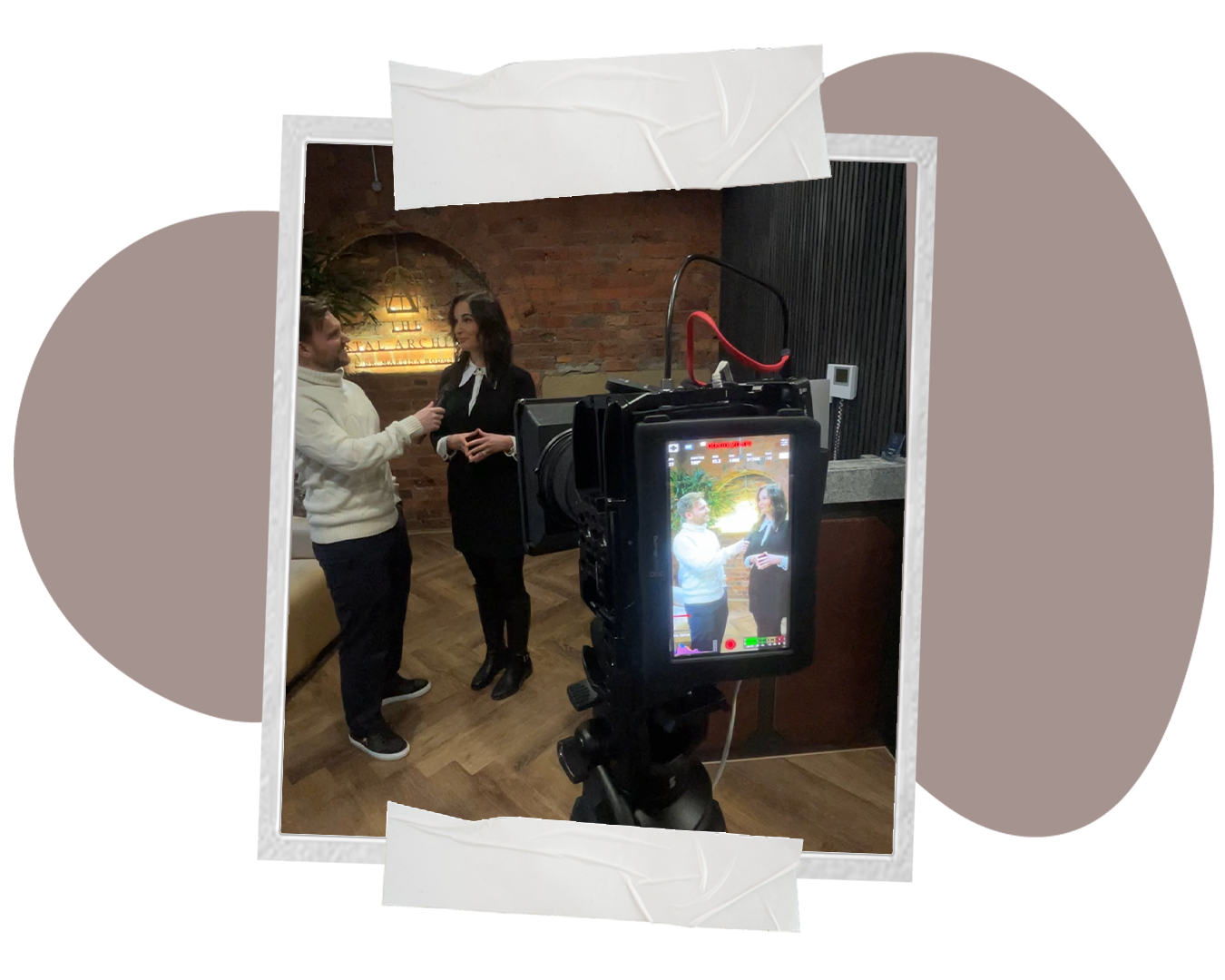
Most dental teams are not used to being in front of a camera. Dentists, nurses, receptionists and treatment coordinators are confident in their clinical roles, but video can feel unfamiliar. When practices try to film their team without guidance, the result can look stiff or overly rehearsed. Yet team introduction videos are one of the most effective ways to build trust, strengthen brand identity and help new patients feel comfortable before visiting your practice.
At Poco Productions, we specialise in creating natural and authentic team introduction content for private dental practices and groups across London and the UK. Whether your clinic is in Harley Street, Marylebone, Battersea, Kensington or Islington, helping your team appear relaxed on camera is essential for producing a strong first impression.
This guide explains how to help your team present confidently without feeling forced or awkward, and why a well structured team video can transform the way patients perceive your practice.
Why team videos matter more today
Patients want familiarity before they book. They want to know who will be greeting them, who will be treating them and who will be supporting their journey. Your team is one of the strongest trust building assets you have.
A team introduction video:
- reduces anxiety for nervous or first time patients
- creates a friendly connection before the first appointment
- strengthens your brand identity across your website and social platforms
- supports patient retention by showcasing a positive culture
- helps distinguish your practice from competitors
This is particularly important for practices in competitive areas of London where patients often compare multiple clinics before making a decision. A warm and well presented team can be the difference between an enquiry and a missed opportunity.
1. Use conversation, not scripts
Nothing makes a team feel more uncomfortable than reading from a script. Patients can sense when someone is speaking in a forced or unnatural way, and it immediately reduces trust.
Instead, we use conversational prompts. These help team members speak in their own words, which always sounds more relatable and genuine. For example, instead of asking someone to memorise a written line, we might ask:
- What do you love most about working at this practice?
- What do patients often say after their appointment?
- How would you describe the atmosphere at the clinic?
These questions allow natural tone, expressive body language and real personality to shine through. Patients want to see the real people behind the practice, not rehearsed performances.
2. Keep the environment relaxed
Where you film matters. Clinicians often feel stiff when they are seated in a formal interview setting. Filming in familiar spaces helps team members feel more comfortable. This might be:
- the reception area
- a consultation room
- a quiet hallway
- a sterilisation area for nurses
- a staff area with natural daylight
When the environment feels relaxed, people naturally loosen their posture, smile more and speak more confidently.
A good introduction video also includes natural moments such as greeting patients, arranging trays, or discussing a treatment plan. These candid clips communicate professionalism and warmth without needing any words at all.
3. Film short segments
One of the easiest ways to reduce pressure is to film short sections instead of long interviews. Short answers are easier to deliver and always feel more natural. Viewers also prefer concise messages, so it is a win for both sides.
For team introduction videos, we often use a structure like:
- a friendly greeting
- a short introduction
- a natural sentence or two about their role
- a closing line that feels warm and open
This creates a polished result without overwhelming your team.
4. Show your team interacting
Some of the strongest content in a team video comes from the moments that are not spoken. Natural interactions between team members show patients the culture of your practice.
These might include:
- a dentist chatting casually with a nurse
- the reception team welcoming someone through the door
- a hygienist preparing a room with attention to detail
- a clinical discussion between two colleagues
These scenes feel genuine because they are genuine. Patients watching will think, this team seems friendly, supportive and professional. That impression is invaluable.
5. Use guided on camera coaching
Most people simply need reassurance and gentle instruction. A videographer who understands the dental environment can guide team members into the right posture, tone and rhythm without making them feel self conscious.
Some coaching examples include:
- reminding a team member to drop their shoulders
- helping someone find their natural speaking pace
- guiding a dentist to use softer facial expressions
- encouraging someone to smile at the end of their line
This type of support transforms awkward moments into confident delivery.
6. Capture small details that express warmth
Patients respond to details. A brief laugh. A smile between colleagues. A relaxed gesture. These micro moments communicate the emotional tone of your practice more effectively than any script could.
For London clinics in areas like Marylebone, Kensington and Shoreditch where patient expectations are high, these details matter even more. They send a clear message that your practice is welcoming and human centred.
7. Highlight the strengths of each team member
Your team is full of unique personalities and skills. A strong introduction video lets those qualities shine through.
For example:
- a dentist who explains complex treatments calmly
- a nurse who always makes patients feel at ease
- a receptionist who remembers names and smiles with sincerity
- a treatment coordinator who supports nervous patients
These strengths make your practice memorable and relatable.
8. Keep the video authentic, not perfect
Patients do not expect your team to look like actors. They appreciate honesty and real expression. A small stumble or natural smile makes your team appear human and approachable.
Polished does not mean robotic. It means confident, structured and real.
9. Add supporting content when needed
Many practices choose to pair team videos with:
- practice introduction videos
- associate profile videos
- testimonial and case study videos
- strategic social media video packages
Together, these build a complete trust based content system that supports patient acquisition and retention.
Conclusion: A relaxed team on camera builds trust before patients arrive
Team introduction videos are one of the most powerful ways to strengthen patient confidence and highlight the heart of your practice. When your team feels relaxed, guided and supported, their personality shines through and patients immediately feel more connected.
If you want to present your team authentically and create a strong first impression for your practice, learn more about our Dental Practice Introduction Videos.
We help practices across London and the UK create warm, confident and natural videos that showcase the people who make your clinic special.