
How to Plan a Transformation Shoot That Feels Natural and Converts
Introduction: Why natural content performs better
In today’s dental marketing landscape, authenticity outperforms polish. Patients do not want to see perfection; they want to see people like themselves experiencing care, confidence and transformation. A well-planned transformation shoot allows you to capture genuine reactions and strong visuals while keeping the process calm, comfortable and compliant.
At Poco Productions, we help dental practices across London and the UK film story-led transformation videos that feel natural on camera and perform powerfully online. Here is how to plan your next shoot for success.
1. Define your purpose before picking up the camera
Every transformation shoot should start with a clear goal. Are you showcasing your cosmetic expertise? Demonstrating the patient experience? Building brand awareness? The answer shapes how you film, edit and promote the content.
If your goal is patient conversion, focus on clarity and reassurance. If it is brand visibility, prioritise emotional storytelling and aesthetic detail. Having a purpose from the start helps your videographer plan the right angles, tone and pacing for your video.
2. Choose the right patient
The success of a transformation shoot often depends on the person in the chair. Choose a patient who is comfortable speaking on camera, understands your vision, and is enthusiastic about sharing their experience. Confidence and positivity translate directly to screen.
Brief them in advance. Explain that their role is not to act, but to be themselves. Encourage them to describe how they felt before, during and after treatment in their own words. This keeps the story authentic and relatable.
3. Plan your shoot timeline
A seamless transformation video needs structure. Plan when and where to film each stage of the process. Capture “before” footage in natural light, ideally with the patient relaxed and smiling. Film treatment coverage using cinematic angles that highlight your precision and professionalism. The final “after” reveal should be calm and celebratory, not rushed or staged.
Allow enough time for setup, audio checks and patient preparation. Rushed shoots often lead to awkward moments and forced reactions, which undermine authenticity.
4. Keep your patient relaxed and reassured
Dental environments can feel intimidating for some patients, especially when cameras are involved. Keep the setup light, friendly and professional. Have your videographer and clinical team communicate clearly so the patient knows what to expect at each stage. Offer breaks if needed and make sure they understand they can opt out of any moment they are uncomfortable with.
When patients feel at ease, their reactions and emotions will be genuine, creating footage that connects deeply with viewers.
5. Capture emotion, not performance
Some of the most powerful transformation clips are unscripted moments. A smile, a sigh of relief, or an emotional reveal speaks louder than words. Your goal is not to create actors, but to let real human moments unfold naturally. Encourage your videographer to film quietly during key moments rather than directing every reaction.
Not every reaction will be perfect, but that unpredictability is what makes your content real. And if you do capture an incredible emotional moment, it can become one of your most valuable marketing assets.
6. Balance story and compliance
All transformation content must comply with GDC and ASA guidelines. Ensure patient consent is clearly documented and that no claims or visuals are misleading. The story should focus on the patient’s experience and your professionalism, not on promises of specific results. A compliant video still has huge emotional impact when filmed and edited with integrity.
7. Use lighting and sound to enhance authenticity
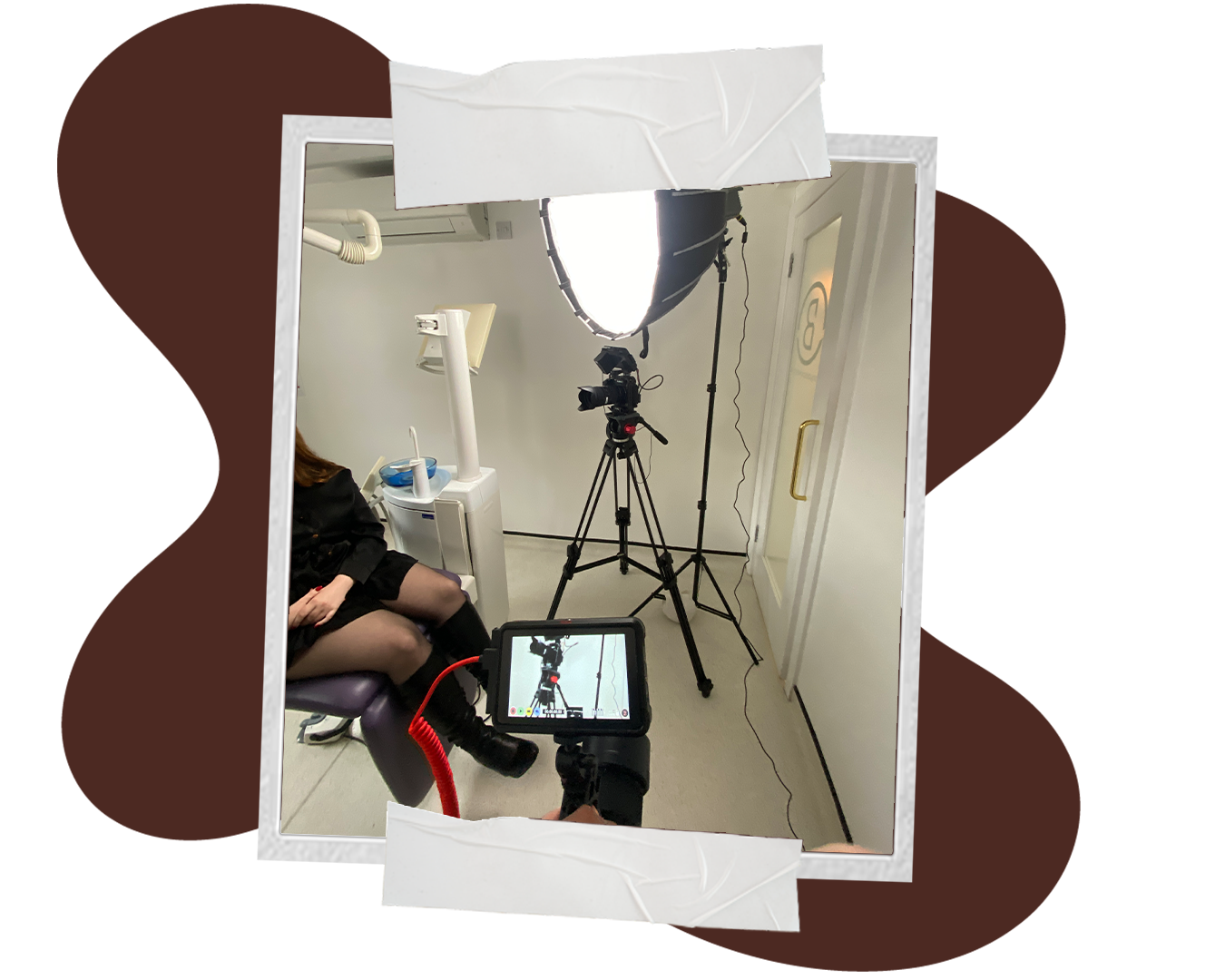
Authenticity does not mean poor production quality. Natural light, clean sound and subtle background music elevate the viewer experience while keeping it real. Avoid harsh lighting or over-editing that makes the video feel staged. The goal is to create content that feels both professional and human.
8. Repurpose your shoot into multiple assets
A single transformation shoot can provide months of content. Alongside your main video, you can create short teaser clips, patient quotes, B-roll for social media, and even snippets for your Google Business Profile. This ensures every filming day delivers long-term marketing value.
9. Involve your team
Transformation shoots work best when your entire team is engaged. Hygienists, nurses, reception staff and clinicians all play a role in creating a welcoming environment. Include behind-the-scenes clips or team introductions to add warmth and personality to your brand story.
10. Measure results and refine your process
Once your video is live, monitor engagement metrics such as views, watch time and conversions. Note which stories perform best and why. Over time, you will learn what resonates most with your audience, allowing each shoot to become more strategic and effective.
Conclusion: Storytelling that feels human and works commercially
Authentic transformation videos are the bridge between clinical skill and emotional connection. They show patients what you do, but more importantly, they show who you are. By planning your shoot with intention, empathy and expertise, you can create video content that not only looks great but builds lasting trust and delivers measurable growth.
Get a free quote and find out how we can help you plan your next transformation shoot with clarity, confidence and purpose.