
Healthtech Video Tutorials for Healthcare Professionals: What Works and What Does Not
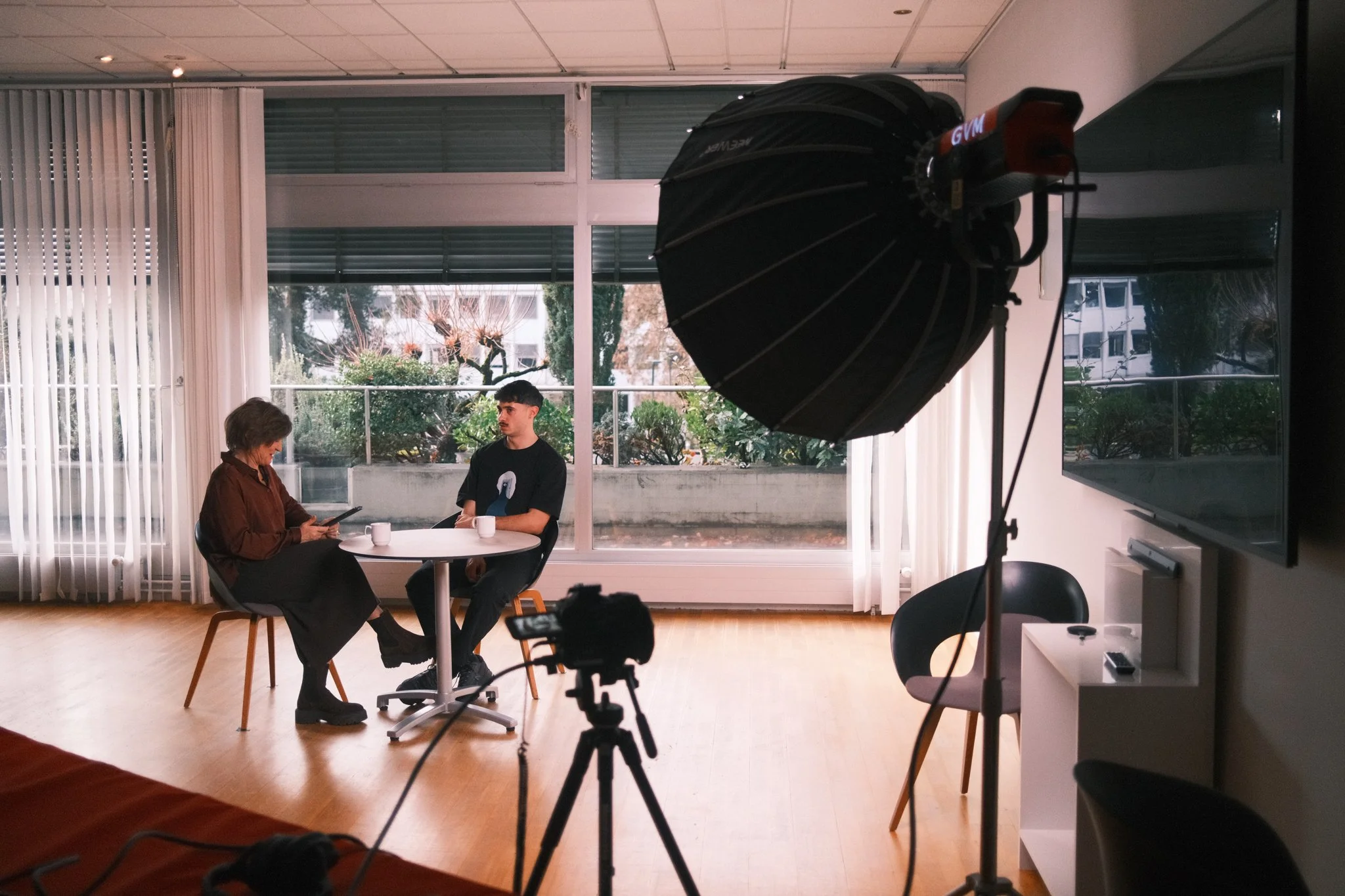
Healthtech platforms succeed or fail based on adoption. That adoption often depends on one group more than any other: healthcare professionals. Clinicians, nurses, practice managers and wider care teams need to understand how a product works, how it fits into workflow, and why it is reliable. If training is unclear, adoption slows, confidence drops, and support requests increase.
This is why healthtech video tutorials have become one of the most valuable assets a digital health company can create. When produced strategically, training videos reduce friction, improve consistency, and help healthcare professionals learn complex tools quickly and accurately.
At Poco Productions, we specialise in Healthtech Video Production London, producing clear, credible video tutorials for healthcare audiences across London and the UK. This guide breaks down what works, what does not, and how to plan training content that supports real world healthcare delivery.
Why Healthtech Video Tutorials Matter for Clinical Adoption
Healthcare professionals are time poor and risk aware. They need to understand new tools quickly and safely. Written documentation can be useful, but it is often lengthy, inconsistent, or difficult to translate into practice. Video tutorials solve this by demonstrating workflows visually and setting expectations clearly.
Well structured healthtech video tutorials help healthcare professionals:
- Learn platform basics quickly without unnecessary complexity
- Understand workflows in context rather than in theory
- Reduce errors during onboarding and early usage
- Build confidence in new technology
- Share consistent training across multiple locations or teams
For healthtech companies scaling within London and across the UK, training videos also reduce the burden on support teams by addressing common questions before they become tickets.
What Works: The Elements of Effective Healthtech Training Videos
Training videos for healthcare professionals are different from marketing videos. They need a clear structure, a calm tone and practical relevance. The most effective tutorials are designed around the reality of clinical life.
1. Start with a clear outcome
A strong tutorial begins by stating what the viewer will be able to do by the end of the video. This helps healthcare professionals decide whether the video is relevant and sets a clear expectation.
For example:
- How to create a patient profile and assign a pathway
- How to review incoming observations and respond to alerts
- How to update medication notes and export reports
Clear outcomes keep training focused and reduce confusion.
2. Use real world clinical scenarios
Healthcare professionals learn best when training reflects real use cases. Generic tutorials that focus only on interface elements often miss the point. Instead, show what the platform is used for in practice.
Effective healthtech video tutorials include:
- Typical patient pathways and workflows
- How data is reviewed and acted upon
- What to do when exceptions occur
- How the tool supports clinical decision making
This is particularly important for products used in remote patient monitoring, digital triage, patient communication and follow up.
3. Keep the pace calm and the language clear
Healthcare professionals do not want hype. They want clarity. A calm, confident pace improves comprehension and makes content feel credible.
What works well:
- Short sentences
- Plain English where possible
- Minimal jargon
- Clear explanations of terms when needed
- Consistent naming of features and steps
When language is overly technical or inconsistent, it creates uncertainty and slows learning.
4. Use visual structure and clean design
Training content should be visually easy to follow. Busy screens, rapid transitions or unclear highlighting can overwhelm viewers.
Professional production helps by applying:
- Clear on screen prompts
- Zoom and focus to guide attention
- Simple graphics to reinforce key steps
- Consistent branding without distraction
- Subtitles for accessibility and clarity
These choices make the tutorial usable in real settings such as busy clinics, NHS environments, private hospitals and community services.
5. Break training into short modules
Long videos often fail because healthcare professionals do not have time to watch them. Breaking content into short modules makes training easier to consume and easier to reference later.
A strong tutorial series might include:
- Platform overview
- User roles and permissions
- Patient setup workflow
- Monitoring and alerts
- Documentation and reporting
- Troubleshooting and common issues
This modular approach also makes future updates easier when features change.
What Does Not Work: Common Mistakes Healthtech Companies Make
Many healthtech companies create training content internally and later discover it is not helping adoption. Often the issue is not the platform. It is how the training is communicated.
1. Treating training videos like marketing
Training videos should not sound like adverts. If content feels sales driven, clinicians may disengage. The tone must be practical, calm and focused on the user’s needs.
2. Overloading viewers with features
Trying to cover everything in one video often results in confusion. Healthcare professionals need to learn what matters first, then build from there.
Feature overload creates two problems:
- Key information becomes harder to retain
- Users miss the core workflow required for safe use
3. Using generic visuals or stock footage
Stock visuals rarely build trust in healthcare. Clinicians want to see the real interface, real workflows and realistic scenarios. Generic footage can make a serious product feel vague or unproven.
This is where specialist healthtech video production is valuable, ensuring visuals support credibility.
4. Skipping context and assuming knowledge
Healthcare professionals may be experts in care delivery, but they may not be familiar with your product. Tutorials that assume too much knowledge can frustrate users early.
A better approach includes:
- Explaining why a feature exists
- Showing where it fits into the workflow
- Demonstrating how it supports patient safety and efficiency
5. Poor audio and inconsistent delivery
In training content, audio clarity matters as much as visuals. If narration is unclear, rushed or inconsistent, viewers will not follow the steps confidently.
Professional production ensures:
- Clean audio recording and mixing
- Consistent tone and pacing
- Accurate terminology
- Clear subtitles for accessibility
Where to Use Healthtech Training Videos
Healthtech video tutorials are flexible assets that support adoption across multiple channels. They can be delivered through:
- Onboarding emails
- Knowledge bases and help centres
- Internal LMS platforms
- NHS or hospital intranet systems
- Product portals
- Sales enablement for clinical demonstrations
This makes training videos valuable not only for learning, but also for scaling support and maintaining consistent standards across multiple sites.
Why London Based Healthtech Teams Benefit from Strategic Video Tutorials
London is a key hub for healthtech innovation, with startups and scale ups working across digital health, remote monitoring, AI assisted triage and patient engagement platforms. As products scale, training demands increase quickly.
Professional healthtech video tutorials support growth by:
- Helping clinical users onboard faster
- Reducing reliance on live training calls
- Improving consistency across multiple clinical sites
- Supporting procurement and stakeholder confidence
- Increasing long term engagement and correct usage
For London healthtech companies selling across the UK, strong training video content becomes a competitive advantage.
How to Plan a Healthtech Tutorial Series That Works
A successful tutorial series starts with strategy. Before filming, identify the key user groups and the workflows that matter most.
A simple planning process includes:
- Define the primary user roles and their priorities
- List the most common tasks users need to complete
- Identify the common questions and errors during onboarding
- Build short video modules that address each task
- Create a consistent visual and audio style
This approach ensures content supports real adoption, not just general education.
Conclusion: Training Video Quality Shapes Adoption
Healthtech products rely on adoption and correct usage. Video tutorials that are clear, calm and clinically relevant improve training outcomes, reduce friction and build trust with healthcare professionals.
If you are looking to create a high quality healthtech training series, our Healthtech Video Production London service supports healthtech companies with strategic, professional video content designed for healthcare audiences.
Clear training is not an extra. It is part of product success.